Published Jul 29, 2026
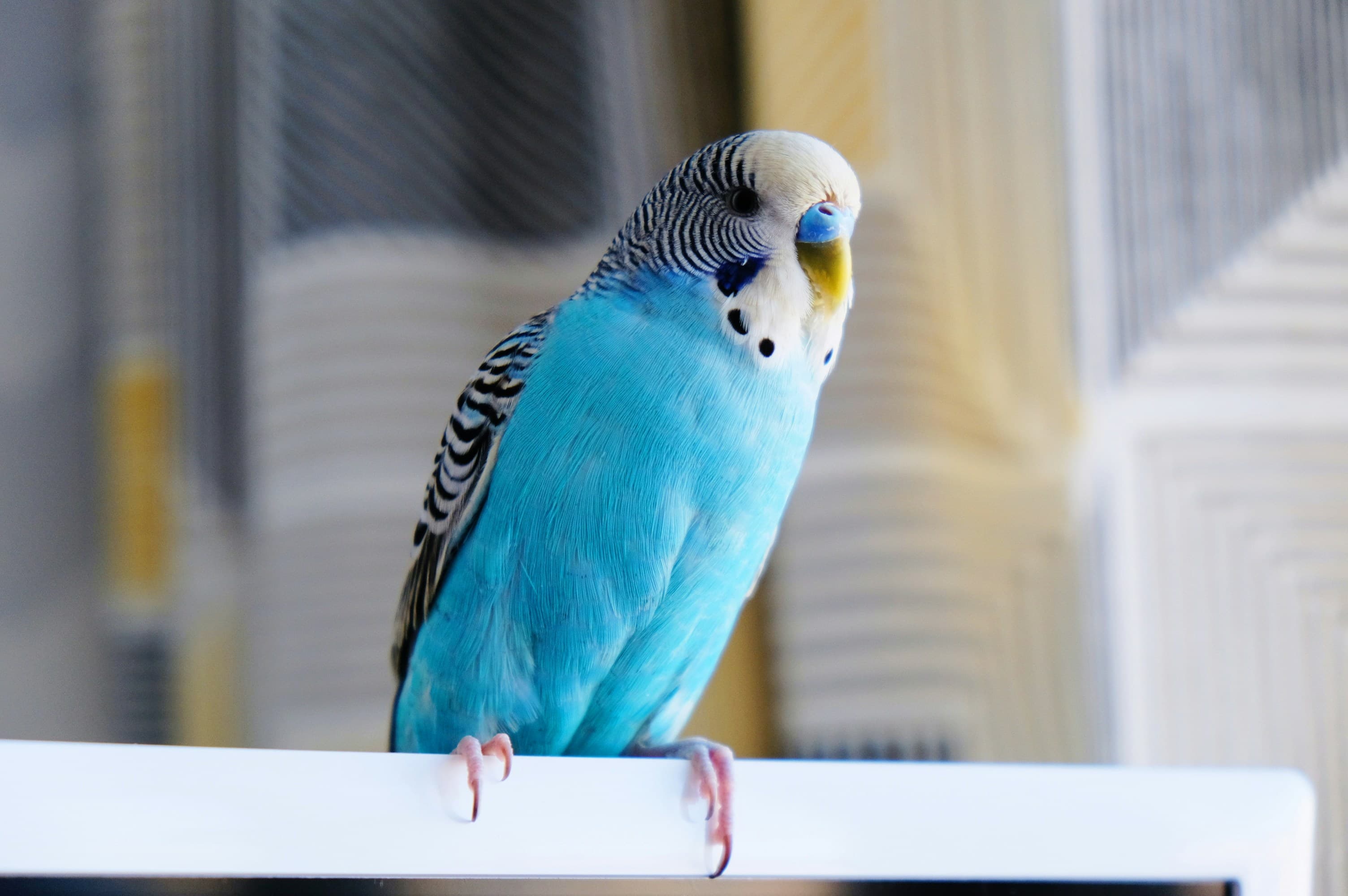
Here is the short version. You are ready for a parrot if you can hand over several hours of every single day, not most days, and keep doing it for a stretch of years that may outlast your career. Add an animal that was never domesticated, that calls at dawn because that is what its species does, and that most owners try to give away inside three years. Miss one of those and you are not disqualified, but you should know which one is shaky before there is a bird in your living room. What follows is the honest version, not the cheerful one.
The daily hours are not negotiable
A parrot is not a caged pet you visit. The AVMA's guidance on selecting a pet bird puts both halves of the problem in one place: birds need supervised exercise outside their cages for several hours daily, and most species of companion birds are not domesticated, so they are not adapted to continuous physical contact.
Roughly what that looks like by size, as a working guide rather than a rule:
- Budgies and cockatiels: one to two hours out of the cage, minimum.
- Conures and quakers: two to four hours of real interaction, plus something to occupy the bird's mind when you are out.
- African greys, macaws and cockatoos: three to five hours. People who live with them describe it as having a small child who never grows up.
That is a daily figure, not a weekly one. It does not move because you have a deadline, because you are ill, or because it is February. A dog can miss a walk. A parrot left under-stimulated for a week builds habits that take months to unwind.
Then there is the noise, which people assume they can fix. Parrots call at dawn and again at dusk. In the wild that is the flock locating itself, wired in rather than learned. You can shape when a bird screams for attention. You cannot train out sunrise.
The bird will probably outlive the plan you made for it
Dogs and cats ask for ten to fifteen years. Parrots ask for something categorically different, and it is the most underestimated fact about them. Typical ranges, as a guide rather than a guarantee:
- Budgie: seven to fifteen years.
- Cockatiel: fifteen to twenty-five years.
- Conure: twenty to thirty years. Quaker: twenty-five to thirty.
- African grey: forty to sixty years.
- Macaw: fifty to eighty years. Cockatoo: up to eighty.
The AVMA's own figure for the large species runs from twenty years to more than one hundred. Buying a macaw in your thirties means planning for an animal still alive, alert and demanding when you are in your eighties.
Almost nobody does that planning, and the consequences are documented. The AVMA reports that most pet birds are kept less than three years before the owner tries to surrender them, and that more than half of unwanted parrots go to welfare organizations. Three years, against a possible eighty.
So succession is part of the purchase, not a morbid afterthought. Nothing legally obliges you to name a caretaker, which is exactly why it gets skipped. The AVMA's guidance on responsible pet ownership asks owners to plan for a pet's full potential lifespan and to make alternate arrangements if they can no longer provide care, naming large parrots as the reason. A pet trust is the usual mechanism; a named, willing person who has met the bird is the minimum.
What a parrot actually costs
The bird is often the cheapest part, which is where the budgeting goes wrong. A properly sized cage, one the bird can open its wings in rather than merely sit in, frequently costs more than the bird inside it, and buying small then upgrading is how people pay twice.
Veterinary care is the second surprise. Avian medicine is a specialty, avian vets are thin on the ground, and pricing reflects both, commonly two to three times a standard small-animal clinic. Check what is within driving distance before you buy.
Toys are the line people forget. Destroying things is not misbehavior in a parrot, it is the job description, so toys are a consumable. Food is the easy part: pellets plus fresh produce.
Rough tiers, the ranges reflecting real market variation:
- Small (budgie, cockatiel): modest purchase price, $200 to $500 cage, roughly $800 to $1,500 in year one.
- Medium (conure, quaker): $400 to $800 for the bird, $500 to $1,000 cage, roughly $2,000 to $3,000 in year one.
- Large (African grey, macaw): $2,000 to $15,000 for the bird, $1,000 to $2,500 cage, $5,000 or more in year one.
The financial test is the same one that applies to any animal. Not whether you can carry the monthly average, but whether a surprise bill of two or three thousand dollars next month is survivable without reaching for a credit card you are already carrying.
Does a parrot fit the home you already have?
Neighbors. A conure in an apartment is a genuine problem and a cockatoo is closer to an environmental event. The AVMA puts it mildly: a caged bird might make noises that bother your neighbors, and some species are far noisier than others. Read your lease, then be honest about your walls.
Children. Under about eight, this cuts both ways. A frightened parrot bites hard enough to need stitches, and a curious child can injure or kill a small bird without meaning to. Neither belongs alone with the other.
Other pets. Cats and dogs are predators and a bird is prey. No amount of them appearing to get along changes what happens in the one second where instinct wins. Separation is permanent, not a phase you train through.
Travel. Every trip needs a sitter, and one who genuinely understands birds is rare and prices accordingly, around $30 to $60 a day. Find that person before you need them.
The air in your home. This is the one that kills birds in otherwise careful households. Birds are extraordinarily vulnerable to anything airborne, and overheated non-stick coatings release fumes that are colorless, odorless and lethal within minutes, and the bird does not have to be in the same room. Those coatings are not only on your frying pan: drip pans, clothing irons and heat lamps carry them too, and aerosols, scented candles and incense belong on the same list. Cigarette and vape smoke is slower, chronic rather than sudden, but it does damage every day. So the bird does not live in the kitchen, and the kitchen never runs unattended.
The part of the checklist that is not practical
Everything above is arithmetic. This part is not. A parrot is not a domesticated animal. Dogs have been shaped by us for tens of thousands of years; parrots have a handful of generations of captivity behind them. The bird in your living room is a wild animal that happens to have been hand-fed.
It is also, by the comparison people in avian circles reach for most often, working with roughly the emotional range of a two to five year old child. Permanently. There is no stage at which it grows out of needing you, entertains itself for a weekend, or stops taking your absences personally.
That makes the hard behaviors legible. Screaming, biting and destructiveness are not a badly behaved bird; they are a social, intelligent animal reporting that something is wrong. Bond intensity varies too: some parrots imprint hard on one person and turn aggressive toward everyone else in the household, including the partner who agreed to this. Feather plucking has medical as well as behavioral causes, and is a question for an avian vet rather than something to interpret at home.
The ASPCA softens none of it. Its position on birds as pets is that it does not recommend keeping large parrots unless appropriate care can be provided, and lists what sellers ought to disclose and usually do not: demanding and aggressive behavior, loud vocalizations, and a longevity that may exceed the guardian's own. Rescues run waiting lists because so many people learned this after the purchase.
The most common regret is not dramatic. It is one sentence: I did not realize what I was signing up for.
Which leads to the most useful question here. Do you want a parrot, or do you want company? They are not the same wish. If what you are picturing is an animal glad you are home and content to share the sofa, an adult cat might be closer to what you are picturing than a macaw is. If you want a bird specifically, a budgie or a cockatiel gives you most of what people love about parrots at a scale an ordinary household can absorb.
If you are ready, here is what to do next
- Find an avian vet before you get the bird, not during the first emergency. Ask what a new-bird exam costs and whether they take emergencies.
- Adopt rather than buy. The ASPCA encourages anyone who can provide appropriate care to take a bird from a sanctuary or shelter, not a breeder or pet store.
- Spend a full day around an adult of the species, not a hand-fed baby. Every parrot is charming at twelve weeks. Ask a rescue whether you can be there at dawn.
- Price the cage first. If the correct cage is out of budget, the bird is out of budget.
- Put succession in writing. Name a person, ask them properly, and make sure they have met the bird.
- Strip the risks out of the house before the bird arrives: non-stick items, aerosols, candles, incense.
And if you worked through this and landed on "not right now", that is a real answer and a good one. Volunteer at a parrot rescue, or bird-sit for someone who owns one. Either will tell you more about your readiness than any article can, including this one.
A parrot you were ready for is a relationship with an intelligent animal that may run most of your adult life. A parrot you were not ready for becomes a bird on a sanctuary waiting list, and there are already more of those than there are places to put them.
Tags
- adopting a parrot
- bird ownership
- exotic pet care
- first-time bird owner
- parrots
- pet birds
- pet costs