Published Aug 12, 2026
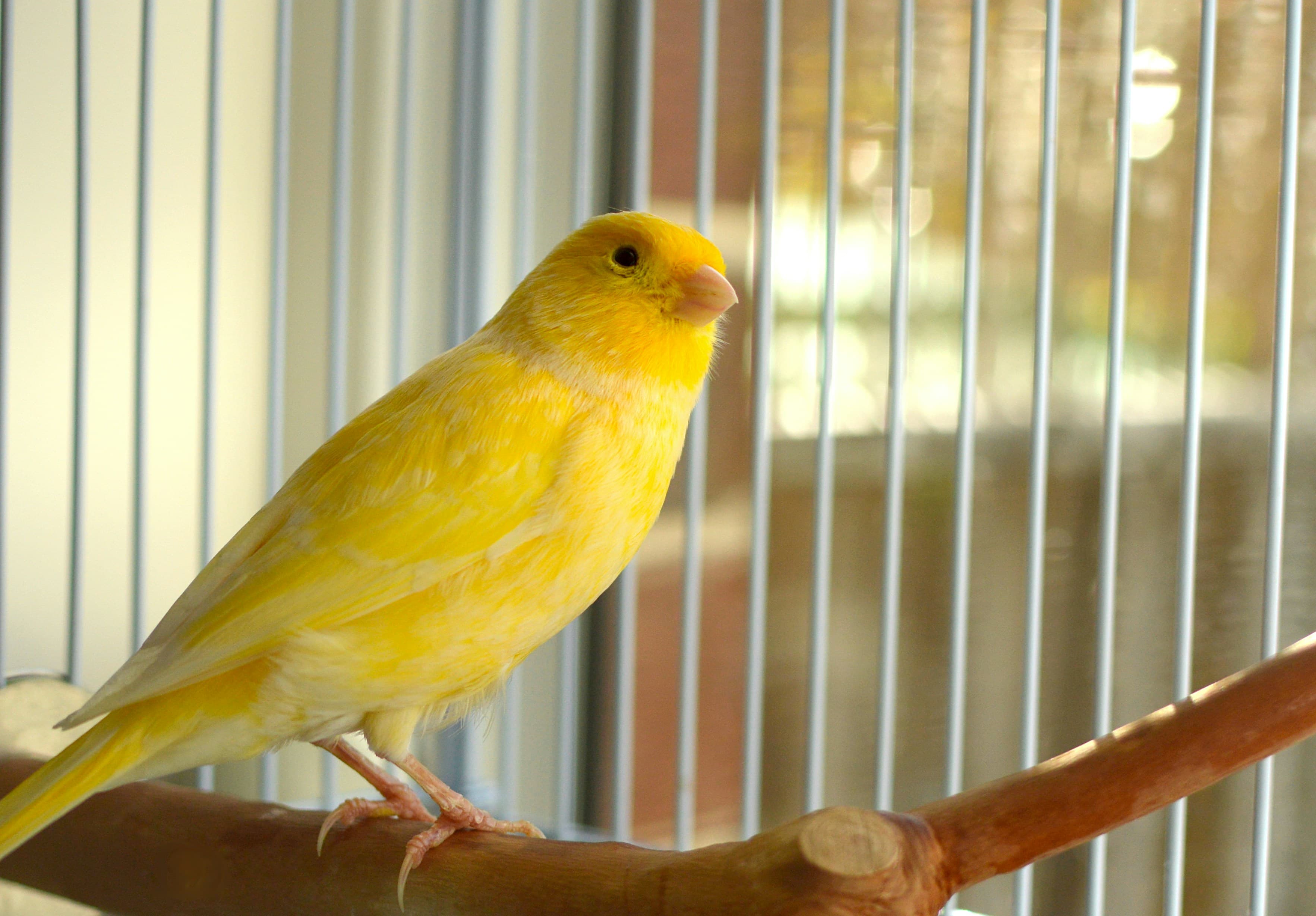
Here is the short version. A bird arriving in your house has lost every familiar sight, sound, and smell it had, all at once. It cannot fly to a safer perch, and it does not know that the new perch is safe. The work of the first week is almost entirely environmental — cage placement, lighting, routine, quiet — with a small, deliberate amount of positive human presence layered on top. Handling and training come later. If you are still choosing a species, best beginner bird species covers that part; this article assumes you have already brought one home.
Before the bird comes home
The single decision that will define week one is where the cage sits. Pick a room that people spend time in — living room, home office, a bedroom used mainly for sleeping is fine — but not a room whose activity is unpredictable. Avoid the kitchen entirely. Non-stick cookware releases polytetrafluoroethylene fumes when overheated, and those fumes are lethal to birds within minutes at concentrations humans do not notice. Cook in the same house as a bird, yes; put the cage in the kitchen, no.
Inside that room, the cage needs a wall behind it. Parrots are prey animals, and a cage in the middle of a room, exposed on all sides, does not read as safe. A cage against a wall, ideally in a corner, offers the bird one side it does not have to watch. The cage should sit at roughly chest height — high enough that the bird is not looking up at every person, low enough that you can see the bird clearly without lifting the cover. Near a window is fine for interest, but not in direct sun, and not in a draft.
What goes in the cage on day one:
Two or three perches of different diameters, at different heights. Natural wood is better than smooth dowel — it works the feet.
Food and water dishes clipped to the sides, not on the floor of the cage.
One or two toys. Two or three is enough; more is a stress load, not enrichment.
A cage cover, or a large towel, that can go over three sides.
Do not change the food. Buy a bag of whatever the bird was eating at the shelter, breeder, or previous home, and use that for the whole first week. Diet changes are a project for month two. If the bird's diet is genuinely poor — an all-seed mix, for example, and you plan to move to pellets — that is a gradual transition, done in tenths, and not started until the bird is confident in the space.
Two things to sort out before pickup. Find an avian vet, not a general small-animal practice. The Association of Avian Veterinarians maintains a directory. The VCA guidance is direct on this: new birds should be examined by an avian veterinarian within the first couple of days after purchase or adoption. Book that appointment before you drive out to collect the bird, for a slot in the first week.
If there are other birds already in your household, you have a second decision: quarantine. This is not optional and not shortenable. Set up the new bird's cage in a separate room, with a different air supply where possible, and plan to keep them apart for a minimum of 30 days — the widely cited minimum, with 40 to 60 days considered ideal in multi-bird households. Diseases like psittacosis and avian polyomavirus can be dormant when the bird arrives and lethal to the flock when they are not.
Day one: arrival
Bring the bird home in the middle of the day, not in the evening. You want time before the first night for the bird to see the room in daylight, notice where the food is, and hear the household in normal use.
At the house, put the carrier next to the cage, open both, and step back. Do not reach in. Do not tip the bird out. Most birds will move themselves into the cage within a few minutes; some will sit in the carrier for an hour. Either is fine. If after an hour the bird has not moved, close the room door quietly and leave for twenty minutes.
Once the bird is in the cage, sit in the room. Not next to the cage — across the room, doing something quiet. Reading out loud is genuinely effective, because it makes your voice ordinary. What is not effective is the old advice to leave the bird completely alone for three days to "adjust." That approach was standard for a long time, and there is a real risk in it that behaviour trainers now emphasise: a bird left entirely alone bonds to the cage, and by day four you have become the one novel and frightening thing in the room. Better to be present quietly from the start.
Do not offer treats through the bars on day one. Do not try to talk directly to the bird. Do not turn the cage so the bird faces you, do not adjust perches, do not add new toys. Everything you touch inside the cage today is one more thing that changes. Let today be the day nothing changes.
Expect a bird that is very still, or very quiet, or occasionally frantic. Fluffed feathers on day one, an untouched food dish for the first few hours, and long stretches of watching from a single perch are all normal. Take the cover halfway down at bedtime — three sides covered, front open — and turn off the lights in the room by the time the bird would normally sleep.
Days two to four: presence without pressure
By day two you should be in the room several times, doing normal things. Working at a desk, folding laundry, having a conversation with someone else — any of that teaches the bird that the sounds of the house are not events. The bird's job this week is to develop a baseline of what "nothing is happening" sounds like, and yours is to provide it.
Establish a feeding routine at fixed times, in the same spot inside the cage. Change the water twice a day. Refill the food at the same times each day, quickly, without lingering at the cage. If the bird backs to the far perch every time you approach the cage, that is expected on day two, less expected by day four, and worth mentioning to the vet if it is still happening in week three.
Around day three or four, most birds will start eating in your presence. That is the first real signal of trust, and it matters more than any of the noisier signs. A bird that eats while you are in the room has decided you are not, on balance, a threat.
You can begin talking to the bird directly now, in a low, level voice, from across the room. Not baby talk. Not high-pitched excited noise. The bird's name, a few times a day, from a comfortable distance. Birds are responsive to tone and rhythm long before they are responsive to specific words, and consistency in how you say the name is more useful than what you say around it.
Days five to seven: introducing hands, from outside the cage
By the end of the first week, most well-adjusted birds are ready for the first stage of hands: hands on the outside of the cage, not the inside. Put your hand flat against the bars for a few seconds while you talk. Move it away. Do it again a few hours later. What you are doing is teaching the bird that hands appearing in the environment do not lead to anything happening.
Some birds will approach and inspect the hand, others will pretend it is not there. Both are fine. What you are not doing this week is opening the cage door for interaction, reaching in with a hand or a treat, or attempting any kind of step-up training. Those belong to week two at the earliest, and week three or four for many birds.
If the bird bites the bars near your hand or lunges at the barrier, back off — not because the bird has "won," but because the hand appeared before the bird was ready and the lesson is undone if you push through. Try again in an hour, further from the bars.
Other pets, children, visitors
The rule that saves whole weeks: predators do not approach the cage.
A resident dog or cat. Both are natural predators of birds, and the bird knows this on sight, regardless of your dog or cat's actual intentions. In the first week, keep them physically separated when the cage is uncovered. Close the door of the bird's room, or gate the space. Introductions — meaning the cat or dog in the same room, at a distance, on the floor — belong to weeks two and three, and always with the bird securely inside a cage the pet cannot reach, tip, or fixate on. If the resident pet stares fixedly at the cage for long stretches, that is a red flag, not curiosity, and the introduction is not ready.
Existing birds. No shared space and no shared air-supply for 30 to 60 days. Quarantine is the whole point. Tend to your established birds first each day and the new bird second, wash your hands between them, and ideally change clothes if you can.
Children under six. In the room, yes; up against the cage, no. Not because a small child cannot behave — because a small child is unpredictable in ways birds read as threat. Short, quiet times in the room, at a distance, with hands to themselves.
Everyone else. No new visitors this week. The gate opens in week two, and only in single introductions.
What is normal, and when to call the vet
Most of what alarms new bird owners in the first week is ordinary:
Reduced eating for the first day, especially the first few hours after arrival.
Long stretches of stillness on a single perch.
Silence — many birds do not vocalise at all for the first several days.
Fluffed feathers for short periods, especially in the evening.
Backing to the far side of the cage when you approach.
Sleeping more than seems normal — up to 12 hours a night is expected, and daytime naps are common.
What is worth a call, not a wait — and with birds, calls come earlier than with mammals, because birds hide illness until they cannot:
No food eaten by the end of day one, or no water drunk by end of day two.
Discharge from the nares (nostrils), eyes, or vent.
Laboured breathing, tail-bobbing with each breath, or open-mouthed breathing at rest.
Fluffed feathers that do not resolve after a few hours, especially with lethargy.
Any bleeding, obvious wound, or bald patch appearing after arrival.
Falling from a perch, or an inability to grip a perch.
Watery, discoloured, or bloody droppings that persist across multiple hours.
Any change in the bird's baseline that you cannot explain, at any point.
None of that is a diagnosis. It is a list of reasons to phone the avian vet — the one whose number is written down — rather than watch and wait. Birds do not have the reserve mammals do; a bird that looks unwell in the morning can be critical by evening. The first check-up is not a formality. Book it, keep it.
The first week, in order
Before pickup: cage sited against a wall in a used room but not the kitchen, non-stick cookware noted, familiar food bought, avian vet found and appointment booked, quarantine room prepared if there are other birds.
Day one: arrival mid-morning, carrier next to cage, bird moves in on its own, no reaching in, quiet presence from across the room, three sides covered at night.
Days two to four: normal household activity around the cage, fixed feeding times, water changed twice daily, first cautious talking from across the room, avian vet visit within this window if possible.
Days five to seven: hands on the outside of the cage in short doses, no opening of the door yet, no step-up attempts.
In parallel: predator pets kept separate for the whole week; existing birds quarantined for 30 to 60 days; no visitors.
Within the first few days: the avian vet appointment, kept as booked.
Everything hard about the first week with a bird is a version of the same problem: birds do not settle at the speed people want them to. The instinct to hurry — to open the cage, to offer a hand, to prove that this is a good home — is the instinct that costs the most. A bird given a week of quiet, predictable presence in a well-placed cage will step onto a hand in week three or four without a fight. A bird pressed for contact in week one is often still edging away in month three, and by then you are no longer settling the bird in. You are undoing the first week.
So do less, for seven days. The bird is watching. Everything you do not do is a lesson too.
Tags
- beginner birds
- bird ownership
- first-time bird owner
- parrots
- pet birds